Explore Artistic Collaboration in a Modern Community
- Live 4 Love
- May 9
- 4 min read

Artistic collaboration is a powerful force that can transform communities, inspire creativity, and foster connections among individuals. In today's fast-paced world, where technology often isolates us, the importance of collaborative artistic endeavors cannot be overstated. This blog post will explore the various facets of artistic collaboration, its benefits, and how modern communities can harness this creative synergy to enrich their cultural landscapes.
The Essence of Artistic Collaboration
Artistic collaboration involves the coming together of individuals with diverse skills, backgrounds, and perspectives to create something greater than the sum of its parts. This process can take many forms, including:
Joint Projects: Artists working together on a single piece or series of works.
Workshops: Collaborative learning experiences where participants share techniques and ideas.
Community Events: Festivals or exhibitions that showcase collaborative art.
Why Collaborate?
Collaboration in the arts offers numerous advantages:
Diverse Perspectives: Different viewpoints can lead to innovative ideas and solutions.
Skill Sharing: Artists can learn from one another, enhancing their own abilities.
Community Building: Collaborative projects can strengthen bonds within a community, fostering a sense of belonging.
Examples of Successful Artistic Collaborations
Community Murals
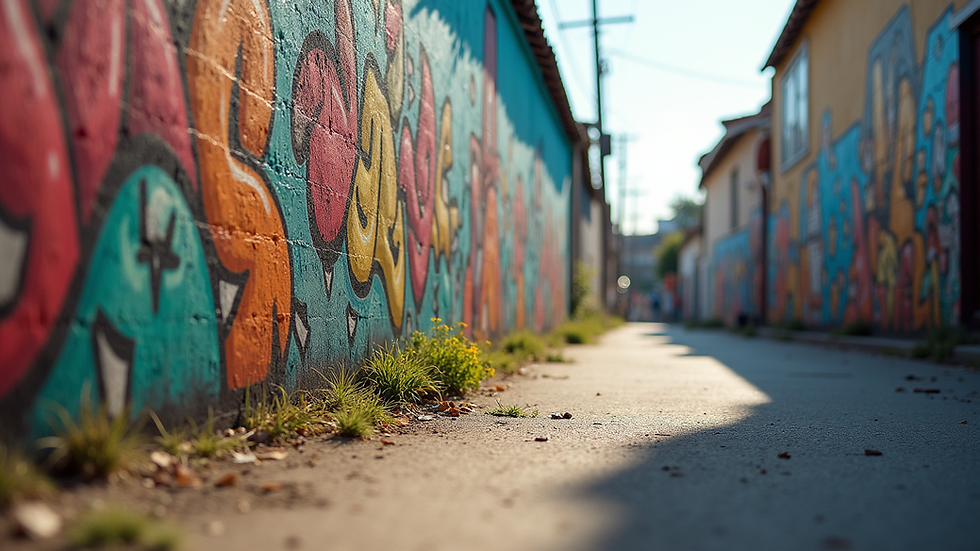
One of the most visible forms of artistic collaboration is the creation of community murals. These large-scale artworks often involve local artists and residents working together to depict shared histories, values, or aspirations. For instance, the "Wings of the City" mural in Mexico City was a collaborative effort that brought together artists from various backgrounds to celebrate the city's culture and diversity.
Collaborative Music Projects
Music is another area where collaboration thrives. Projects like "Playing for Change" unite musicians from around the world to create songs that promote peace and understanding. By blending different musical styles and traditions, these collaborations not only produce unique sounds but also foster global connections.
Art Festivals
Art festivals often serve as platforms for collaboration. Events like the "Burning Man" festival encourage participants to create art together, resulting in temporary installations that reflect the collective creativity of the attendees. These festivals highlight the power of community engagement in the arts.
The Role of Technology in Artistic Collaboration
In the modern age, technology plays a crucial role in facilitating artistic collaboration. Here are some ways technology enhances collaborative efforts:
Online Platforms: Websites and apps allow artists to connect, share ideas, and collaborate regardless of geographical barriers. Platforms like Behance and ArtStation enable artists to showcase their work and find potential collaborators.
Virtual Workshops: Online workshops and webinars provide opportunities for artists to learn from each other and collaborate on projects without the need for physical presence.
Social Media: Social media platforms can help artists promote their collaborative projects, reach wider audiences, and engage with their communities.
Case Study: The Digital Art Collective
A notable example of technology-driven collaboration is the Digital Art Collective, which brings together artists from around the globe to create digital art pieces. Through online forums and collaborative tools, members share techniques, critique each other's work, and contribute to group projects. This collective not only fosters artistic growth but also builds a supportive community.
Overcoming Challenges in Artistic Collaboration
While artistic collaboration offers many benefits, it is not without its challenges. Here are some common obstacles and strategies to overcome them:
Communication Barriers
Effective communication is essential for successful collaboration. Misunderstandings can arise from differing artistic visions or expectations. To mitigate this, collaborators should establish clear goals and maintain open lines of communication throughout the project.
Creative Differences
Diverse perspectives can lead to creative clashes. While these differences can spark innovation, they can also create tension. Collaborators should embrace constructive feedback and remain flexible, allowing for compromise and adaptation.
Resource Limitations
Collaborative projects often require funding, materials, and space. Communities can address these limitations by seeking sponsorships, grants, or partnerships with local businesses and organizations.
Building a Collaborative Artistic Community
Creating a thriving artistic community requires intentional efforts to foster collaboration. Here are some strategies to consider:
Host Collaborative Events
Organizing events such as art fairs, workshops, or exhibitions can encourage artists to come together and share their work. These gatherings provide opportunities for networking and collaboration, helping to build a vibrant artistic community.
Create Shared Spaces
Establishing communal art studios or galleries can provide artists with the resources they need to collaborate. These spaces can serve as hubs for creativity, where artists can work together, share ideas, and inspire one another.
Encourage Inclusivity
A diverse community is a strong community. Encouraging participation from individuals of all backgrounds and skill levels can lead to richer collaborations. Programs that focus on inclusivity can help ensure that everyone has a voice in the artistic process.
The Future of Artistic Collaboration
As we look to the future, the potential for artistic collaboration continues to grow. With advancements in technology and an increasing emphasis on community engagement, artists have more opportunities than ever to connect and create together.
Embracing New Mediums
Emerging technologies, such as virtual reality and augmented reality, offer exciting possibilities for collaboration. Artists can experiment with these mediums to create immersive experiences that engage audiences in new ways.
Global Collaborations
The internet has made it easier for artists to collaborate across borders. Global partnerships can lead to unique projects that celebrate cultural diversity and foster international understanding.
Sustainability in Art
As communities become more aware of environmental issues, collaborative projects that focus on sustainability are gaining traction. Artists can work together to create eco-friendly installations or raise awareness about environmental challenges through their work.
Conclusion
Artistic collaboration is a vital component of modern communities, offering numerous benefits that extend beyond the realm of art. By embracing collaboration, communities can foster creativity, strengthen connections, and celebrate diversity. As we move forward, it is essential to continue exploring new ways to collaborate and support one another in our artistic endeavors.
By engaging in collaborative projects, we not only enrich our own lives but also contribute to the cultural fabric of our communities. So, whether you are an artist or an art enthusiast, consider how you can participate in or support artistic collaboration in your community. Together, we can create a vibrant and inclusive artistic landscape that inspires future generations.


Comments